Amazon’s Bee move: two devices for a personal AI that remembers
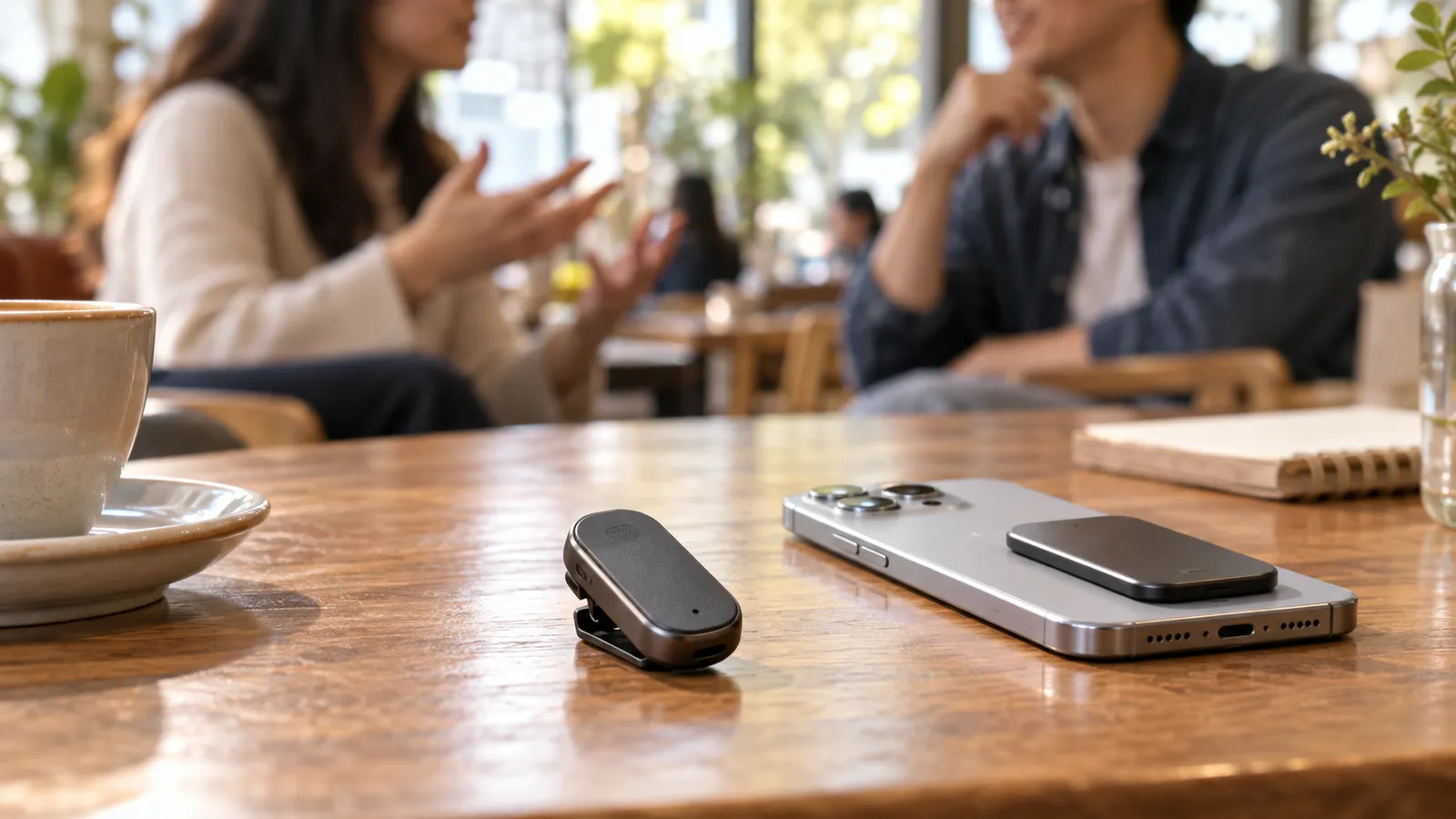
Amazon has introduced two personal AI devices under its Bee brand: Bee Frontier, which can be worn on the wrist or clipped to clothing, and Bee Eclipse, a magnetic attachment for the back of a phone. Frontier is available for $74.99, while Eclipse starts at $99.99 and is listed as coming soon. Amazon’s approach is less about asking a chatbot questions and more about remembering details from daily life. When activated, the devices turn conversations into summaries, to-dos, reminders, and recommendations. Users can connect services such as Gmail, Google Calendar, Outlook, Apple HealthKit, and photos.
Frontier is described as IP67 water resistant, USB-C rechargeable, and capable of up to seven days of battery life. Eclipse is about the size of a credit card and is designed to last more than 21 days on one charge. Both devices have a physical control for starting and stopping audio processing and a visible activity light. On phone calls, the system prompts users to obtain permission from participants before recording. That requirement shows that the hard part is also legal, social, and about clear consent.
Amazon says audio is processed in real time and deleted, transcripts are encrypted, and users can delete summaries. Any device that can listen throughout the day deserves practical testing: people should know when the light is on, where a summary is stored, and what happens when it is shared. In meetings, classrooms, and shared homes, consent should be explicit rather than assumed.
The free tier includes summaries, recaps, and 14-day memory. Unlimited recent summaries, third-party integrations, Alexa+ and Amazon shopping connections, and several other features require the $11.99 monthly Bee Pro plan. The meaningful cost is therefore the device price plus the subscription and the user’s comfort with connected data. Frontier is positioned as a frequently worn assistant, while Eclipse is a longer-lasting control attached to the phone. Bee’s test will be making remembering easier without weakening privacy or control.
The convenience also has a reliability cost. A misheard name, date, or product can become a wrong reminder, so important names and dates should be confirmed with participants or calendar records. Employers may have policies about recording meetings, and families may need a shared rule for when the device stays off. Those practical boundaries will shape trust more than a feature list.
The cover is an AI-generated illustrative scene, not an authenticated product or event photograph.